Article Plan: Church Security Team Manual PDF
This comprehensive guide details establishing a robust church security program, encompassing risk assessment, team formation, training, and emergency protocols for safeguarding congregations.
Historically, churches have been considered sanctuaries, places of peace and refuge. However, the unfortunate reality is that they are not immune to the increasing security challenges facing society today. This manual addresses the critical need for proactive security measures within church environments, moving beyond a reactive approach.
A well-defined church security plan isn’t about fostering fear, but about demonstrating responsible stewardship of the congregation’s safety and well-being. It’s about creating a secure environment where worship and fellowship can flourish without undue anxiety. This guide provides a framework for developing such a plan, tailored to the unique needs of each church community.
The Growing Need for Church Security
Recent events have tragically highlighted the vulnerability of places of worship, prompting a necessary shift in perspective regarding church security. The increasing frequency of active shooter situations, alongside rising instances of vandalism and theft, demands proactive measures. Churches, as visible community hubs, can unfortunately become targets.
Furthermore, the concept of “church” extends beyond the building itself; it’s the community of believers. Protecting this community requires a comprehensive approach, addressing both physical security and the well-being of individuals. Ignoring these realities is no longer a viable option for responsible church leadership.
Understanding the Risks Facing Churches
Churches face a diverse range of security threats, extending beyond sensationalized events. Active shooter scenarios, while thankfully rare, necessitate preparedness. More commonly, churches experience vandalism, theft of valuable equipment, and even internal disputes escalating into threats. The open and welcoming nature of many churches can inadvertently create vulnerabilities.
Understanding these risks requires a thorough assessment of the church’s location, demographics, and existing security measures. Recognizing potential internal threats, stemming from disgruntled members or individuals with mental health concerns, is also crucial for a holistic security plan.
Active Shooter Situations
While statistically infrequent, the possibility of an active shooter event demands proactive planning. Training should focus on “Run, Hide, Fight” protocols, empowering congregants and security teams to react effectively. Clear communication systems are vital for alerting individuals and coordinating with law enforcement.
Regular drills, simulating various scenarios, can improve response times and reduce panic. Establishing secure areas and controlling access points are preventative measures. Post-incident procedures must address trauma support and cooperation with investigations.
Vandalism and Theft
Churches, unfortunately, are vulnerable to vandalism and theft, ranging from minor property damage to the stealing of valuable items. Implementing visible security measures, such as security cameras and adequate lighting, can deter potential criminals. Reinforcing doors and windows adds a physical barrier against unauthorized entry.
Detailed inventory records are crucial for insurance claims and recovery efforts. Establishing a “buddy system” for staff and volunteers can enhance awareness. Prompt reporting of any suspicious activity to local law enforcement is essential for prevention.
Internal Threats
Addressing internal threats requires sensitivity and proactive measures. While rare, disgruntled members or staff can pose a risk. Background checks during the vetting process for volunteers and employees are vital, alongside clear behavioral expectations. Establishing a confidential reporting system encourages individuals to voice concerns without fear of retribution.
Training staff and security team members to recognize warning signs – such as escalating anger or concerning statements – is crucial. Maintaining open communication and a supportive church environment can mitigate potential issues before they escalate.

Legal Considerations for Church Security
Implementing a church security plan necessitates careful legal review. Churches must understand their liability and insurance coverage related to security incidents, ensuring adequate protection for volunteers and attendees. Consulting with legal counsel familiar with local laws is paramount.
Adherence to local laws and regulations concerning firearms, surveillance, and search procedures is essential. Clearly defined policies regarding the use of force and interaction with law enforcement are vital to avoid legal complications and protect the church’s interests.
Liability and Insurance
Churches face potential liability for incidents occurring on their property, demanding robust insurance coverage. General liability insurance protects against claims of bodily injury or property damage, while professional liability insurance covers negligence claims. Umbrella policies provide additional coverage beyond standard limits.
Reviewing insurance policies to ensure adequate coverage for security-related incidents is crucial. Documenting security protocols and volunteer training demonstrates due diligence, mitigating potential legal risks. Consulting with an insurance professional specializing in church liability is highly recommended.
Local Laws and Regulations
Church security teams must adhere to all applicable local laws and regulations regarding security personnel, use of force, and firearms (if permitted). Understanding state and municipal laws concerning self-defense, citizen’s arrest, and concealed carry is essential. Compliance with background check requirements for team members is non-negotiable.
Consulting with legal counsel familiar with local ordinances is vital to ensure the security plan aligns with legal standards. Regularly updating protocols to reflect changes in legislation is crucial for maintaining compliance and minimizing legal risks.
Building a Church Security Team
Forming a dedicated church security team requires careful planning and execution. Begin with identifying committed, trustworthy members who possess a desire to serve and protect the congregation. Prioritize individuals with relevant skills – prior military, law enforcement, or medical backgrounds are valuable assets.
Establish a clear team structure with defined roles and responsibilities, including team leader, communication officer, and first responders. Thorough vetting processes, including background checks and interviews, are essential for ensuring team member suitability.
Recruitment and Vetting of Team Members
Attracting qualified individuals necessitates a clear communication of the team’s purpose and commitment to service. Highlight the importance of protecting the congregation and fostering a safe worship environment. Recruit from within the church community, seeking individuals known for their integrity and maturity.
Rigorous vetting is paramount. Implement comprehensive background checks, including criminal history and reference verification. Conduct thorough interviews to assess character, judgment, and emotional stability. Ensure alignment with the church’s values and a demonstrated commitment to confidentiality.
Team Structure and Roles
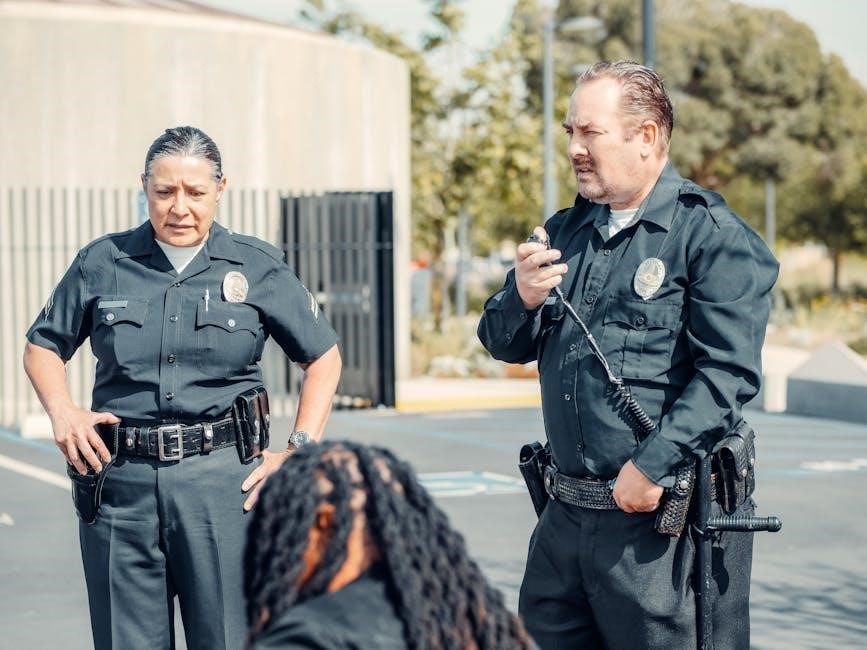
A well-defined structure enhances team effectiveness. Consider a tiered system with a Team Leader, responsible for overall coordination and communication. Assign specific roles such as First Responders (CPR/AED certified), Ushers with security awareness, and a Communication Officer.
Clearly delineate responsibilities for each role, including pre-service checks, monitoring during services, and post-incident procedures. Establish a chain of command for efficient decision-making during emergencies. Regular meetings are crucial for training, updates, and team building.
Church Security Team Training
Comprehensive training is paramount for a prepared team. Essential components include First Aid/CPR/AED certification, equipping members to handle medical emergencies effectively. De-escalation techniques are vital for managing disruptive individuals peacefully, minimizing conflict.
Active Shooter Response Training, while sensitive, is crucial, focusing on Run, Hide, Fight protocols. Regular drills reinforce learned skills and identify areas for improvement. Training should also cover emergency communication procedures and situational awareness best practices.
First Aid/CPR/AED Certification
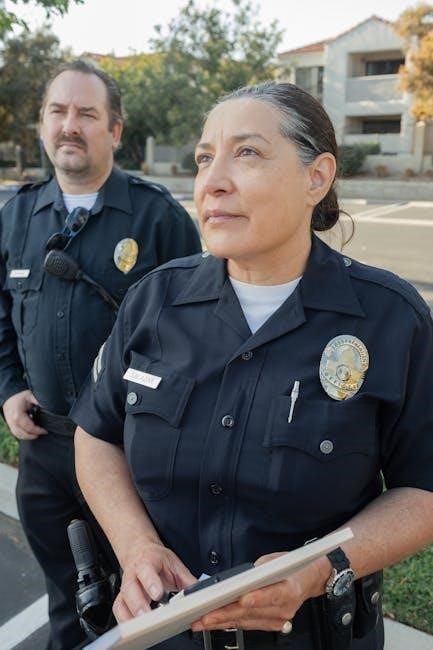
Immediate medical response can be life-saving. Church security team members should obtain certifications in First Aid, Cardiopulmonary Resuscitation (CPR), and Automated External Defibrillator (AED) usage. Regular refresher courses are essential to maintain proficiency and stay updated on current protocols.
Designated team members should be responsible for maintaining the AED and ensuring it’s readily accessible during services and events. Knowledge of basic medical procedures empowers the team to provide crucial assistance until professional help arrives.
De-escalation Techniques
Effective communication is key to preventing conflict. Church security personnel must be trained in de-escalation techniques to manage potentially disruptive or aggressive individuals peacefully. Active listening, maintaining a calm demeanor, and using non-threatening body language are crucial skills.
Understanding verbal and non-verbal cues helps anticipate escalation. Team members should practice empathetic responses and avoid confrontational language. The goal is to diffuse tension and resolve situations without resorting to physical intervention, prioritizing safety for everyone involved.
Active Shooter Response Training
While prevention is paramount, preparation for an active shooter situation is vital. Training should cover the “Run, Hide, Fight” methodology, empowering team members and the congregation to react effectively. Regular drills – simulating scenarios – are essential for muscle memory and quick decision-making.
Training must emphasize situational awareness, rapid assessment, and coordinated response with local law enforcement. Post-incident trauma support for the team and congregation should also be addressed, recognizing the psychological impact of such events.
Developing a Church Security Plan
A well-defined security plan is the cornerstone of church safety. This begins with a thorough risk assessment, identifying vulnerabilities in facilities and procedures. Vulnerability analysis should pinpoint potential weaknesses, guiding preventative measures.
Establish clear emergency communication protocols – utilizing multiple channels – to disseminate information rapidly during incidents. The plan must detail evacuation routes, lockdown procedures, and roles for security team members, ensuring a coordinated and effective response to various threats.
Risk Assessment and Vulnerability Analysis
Conducting a comprehensive risk assessment is paramount. This involves identifying potential threats – from active shooters to natural disasters – and evaluating their likelihood and potential impact. Vulnerability analysis then examines weaknesses in physical security, like access points and lighting, and procedural gaps in emergency response.
Document findings meticulously, prioritizing risks based on severity. This analysis informs the development of targeted security measures, ensuring resources are allocated effectively to mitigate the most significant threats facing the church community.

Emergency Communication Protocols
Establishing clear communication protocols is crucial during emergencies. This includes defining roles for disseminating information – who alerts authorities, who informs the congregation, and who manages external communication. Utilize multiple channels: PA systems, text alerts, email, and even designated runners for redundancy.
Regular drills are essential to test the system’s effectiveness and ensure everyone understands their responsibilities; Pre-scripted messages can expedite communication, providing concise instructions during chaotic situations, ultimately enhancing safety.
Physical Security Measures
Enhancing physical security is a foundational element of church safety. This involves controlling access points with robust locking mechanisms and potentially implementing a check-in system for visitors. Strategic placement of security cameras, covering entrances, exits, and vulnerable areas, provides surveillance and potential evidence.

Proper lighting deters criminal activity, while reinforced doors and windows offer increased protection. Regularly assess and address vulnerabilities in the building’s perimeter to minimize risks.
Access Control Systems
Implementing access control is crucial for managing who enters church facilities. Options range from simple key management to sophisticated electronic systems. Keycard access or digital keypad entry offer greater control and audit trails, tracking entry and exit times.
Consider a visitor check-in process, requiring identification and issuing temporary passes. Restricting access to sensitive areas, like server rooms or financial offices, is paramount. Regularly review and update access permissions.
Security Cameras and Surveillance

Strategically placed security cameras act as a deterrent and provide valuable evidence. Focus on entrances, exits, hallways, and parking areas, ensuring clear visibility. Digital video recorders (DVRs) allow for recording and playback of footage.

Consider cameras with night vision and remote viewing capabilities. Clearly post signage indicating surveillance is in progress. Regularly maintain and test the system. Establish protocols for reviewing footage and reporting suspicious activity to law enforcement.
Creating a Church Security Manual (PDF Format)
A centralized, easily accessible PDF manual is crucial for consistent security practices. This document should consolidate all security protocols, emergency procedures, and contact information. Ensure the manual is regularly updated to reflect changes in procedures or personnel.
Digital distribution allows for quick access and updates. Consider version control to track revisions. Train all security team members on the manual’s contents and emphasize its importance in maintaining a safe environment.
Key Elements of a Church Security Manual
Essential components include detailed emergency contact lists – staff, team members, local authorities, and medical services. Clear evacuation procedures, with maps indicating exits and assembly points, are vital. Incident reporting forms should be included for documenting any security concerns.
Specific roles and responsibilities for team members must be outlined. First aid protocols and active shooter response guidelines are critical. Regular review and updates ensure the manual remains relevant and effective for church safety.
Emergency Contact Information
This section is paramount, listing key personnel with multiple contact methods: cell, home, and work numbers. Include local emergency services – police, fire, ambulance – with non-emergency lines as well. Designate a primary contact for media inquiries during a crisis.
Detail contacts for specialized support, like mental health professionals or victim assistance groups. Regularly verify and update this information to ensure accuracy. Accessibility is key; the list should be readily available to the security team and designated leaders.
Evacuation Procedures
Clearly defined evacuation routes are crucial, posted prominently throughout the building, illustrating primary and secondary exits. Assign team members to guide congregants, prioritizing those with mobility issues. Establish designated assembly points, distant from the building, for accountability checks.
Practice drills regularly to familiarize everyone with the process. Include procedures for different scenarios – fire, medical emergency, or security threat. Account for children and vulnerable individuals, ensuring their safe evacuation and reunification with guardians.
Maintaining and Updating the Security Plan
Regular review – at least annually – is essential to ensure the plan remains relevant and effective. Update contact information for team members, local law enforcement, and emergency services. Incorporate lessons learned from drills, incidents, or changes in the threat landscape.
Document all revisions and communicate updates to the entire security team and relevant church leadership. Periodic vulnerability assessments should identify new risks and weaknesses. Maintain training records to demonstrate ongoing preparedness.
Working with Local Law Enforcement
Establish a proactive relationship with your local police and fire departments. Invite officers to tour the church and discuss security concerns. Share your security plan (redacted as needed) to foster collaboration and understanding.
Participate in community emergency preparedness initiatives. Seek guidance on active shooter response and other potential threats. Establish a clear communication protocol for reporting suspicious activity or emergencies. Regular communication builds trust and enhances response capabilities.
Cybersecurity for Churches
Protect sensitive data – member information, financial records – from cyber threats. Implement strong passwords and multi-factor authentication. Regularly update software and operating systems to patch vulnerabilities. Train staff to recognize phishing attempts and malicious links.
Secure your church’s Wi-Fi network and consider a firewall. Back up data regularly to an offsite location. Develop a cybersecurity incident response plan to address breaches swiftly and effectively. Consult with IT professionals for expert guidance.
Protecting Church Finances
Implement robust financial controls, including separation of duties for handling funds. Require dual authorization for all expenditures above a certain amount. Conduct regular audits, both internal and external, to ensure accountability and transparency. Secure cash handling procedures and limit access to funds.
Utilize secure online giving platforms and encrypt sensitive financial data. Train financial staff on fraud prevention techniques. Establish a clear budget and monitor expenses closely. Maintain adequate insurance coverage against financial losses.
Child and Youth Safety Protocols
Implement a thorough background check process for all volunteers and staff working with children and youth. Establish a “buddy system” for activities and ensure adult supervision ratios are maintained. Develop clear reporting procedures for suspected abuse or misconduct, adhering to legal requirements.
Provide training on recognizing and responding to signs of abuse. Create a safe environment by establishing clear boundaries and appropriate interaction guidelines. Document all interactions with children and youth, and maintain open communication with parents.
Dealing with Disruptive Individuals
Establish clear guidelines for acceptable behavior during services and events. Train security team members in de-escalation techniques to calmly address disruptive behavior. Document all incidents, including date, time, and a detailed description of the event. Prioritize safety – if a situation escalates, contact local law enforcement immediately.
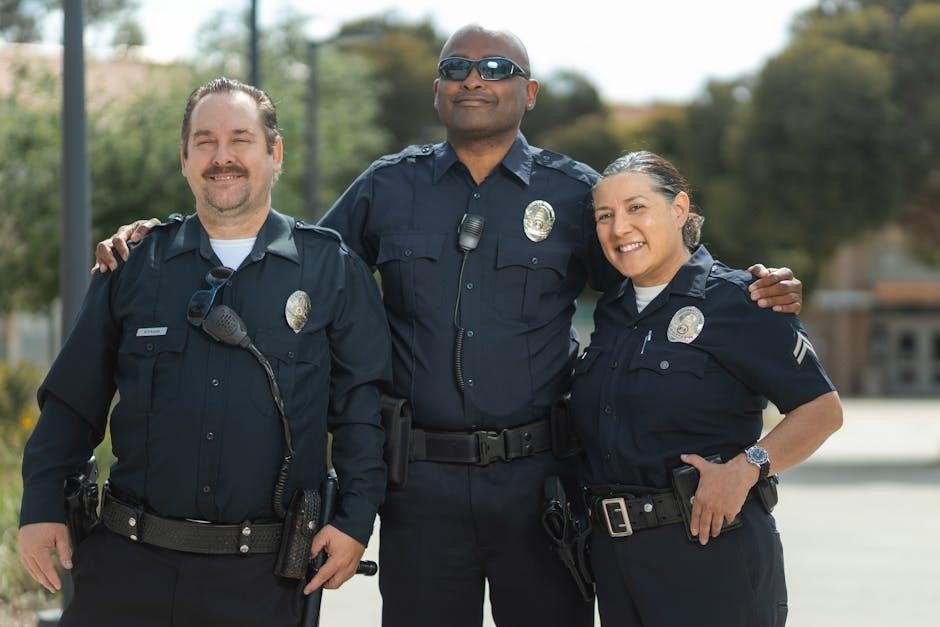
Implement a pre-determined process for removing disruptive individuals from the premises. Maintain a respectful approach while firmly enforcing boundaries. Offer support to those affected by the disruption and ensure a safe environment for all.
Post-Incident Procedures
Immediately secure the scene and ensure medical attention is provided to anyone injured. Contact local law enforcement and cooperate fully with their investigation. Document the incident thoroughly, including witness statements and any evidence collected. Offer pastoral care and counseling services to those affected by the event.
Review the security plan to identify any weaknesses exposed during the incident. Implement necessary improvements to prevent similar occurrences in the future. Communicate transparently with the congregation about the incident and the steps taken to enhance safety.
Resources for Church Security
Numerous organizations offer valuable resources for church security teams. The Department of Homeland Security provides free online courses and training materials. Local law enforcement agencies often conduct security assessments and offer active shooter training. Insurance carriers may offer risk management consultations and security grants.
Consider joining professional organizations dedicated to church security, fostering networking and knowledge sharing. Explore online forums and communities for best practices and support. Utilize readily available templates for security plans and emergency procedures.
The Role of the Pastor and Church Leadership
Pastors and church leaders play a crucial role in championing security initiatives. Their support is essential for securing resources, gaining congregational buy-in, and establishing a culture of safety. Leadership must prioritize security alongside spiritual well-being, demonstrating a commitment to protecting the flock.
Effective communication from leadership is vital, ensuring the congregation understands security protocols. Pastors can integrate safety reminders into sermons and church communications, fostering awareness and preparedness. Ultimately, security is a shared responsibility, guided by strong leadership.
Implementing a church security plan isn’t about fear, but about responsible stewardship and loving care for the congregation. A well-defined plan, coupled with a trained security team, fosters a secure environment where worship and fellowship can flourish without undue anxiety.
Regular review and updates are crucial, adapting to evolving threats and vulnerabilities. Prioritizing safety demonstrates a commitment to the well-being of all who enter the church’s doors, offering peace of mind and allowing everyone to focus on spiritual growth.