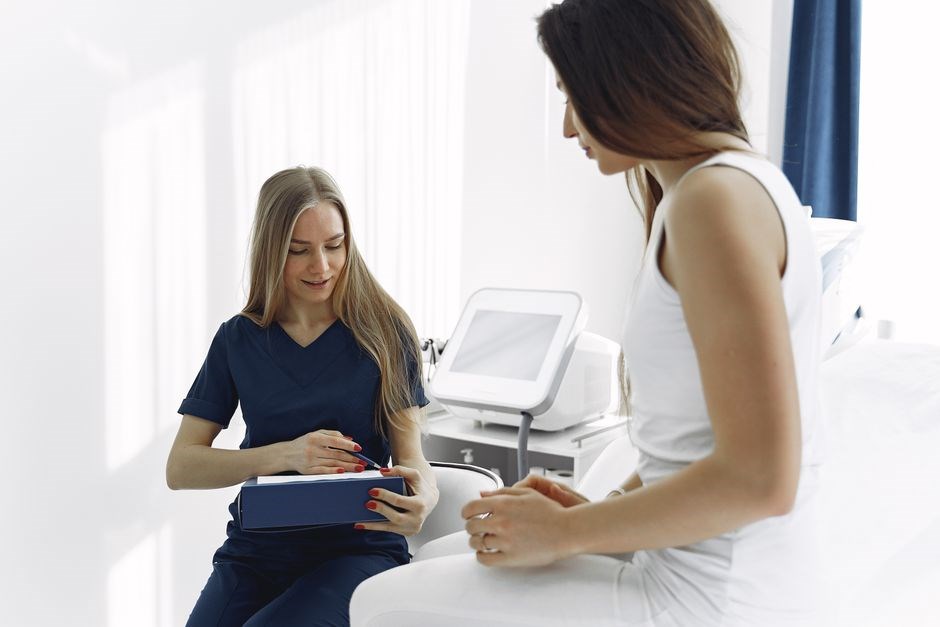
This PDF handout explains Meralgia Paresthetica, its symptoms, causes, diagnosis, and treatment options. It offers lifestyle tips, medication guidance, and resources for patients seeking clear, concise information about this nerve compression syndrome.Use this guide to manage pain, improve mobility
Meralgia paresthetica is a neurological condition that affects the lateral femoral cutaneous nerve, which provides sensation to the outer thigh. When this nerve becomes compressed or irritated, patients experience a range of uncomfortable sensations, including burning, tingling, numbness, and sharp pain. The condition can develop gradually or appear suddenly, often triggered by prolonged sitting, tight clothing, or sudden weight gain.
This patient handout PDF offers a clear, concise summary of meralgia paresthetica, covering key symptoms such as burning, tingling, numbness, and sharp pain in the outer thigh. It explains common causes, including nerve compression from tight clothing, prolonged sitting, or pregnancy. The guide also outlines diagnostic tests, treatment options, and lifestyle changes to help patients manage symptoms.
Diagnostic evaluation typically involves a physical exam, nerve conduction studies, and imaging such as MRI or ultrasound to rule out other causes of thigh pain. Treatment usually starts with conservative measures: avoiding tight clothing, weight management, and applying heat or cold packs. If symptoms persist, medications like anticonvulsants or topical lidocaine may be prescribed.
Patients should track symptom changes and discuss them with their provider. Follow‑up may include repeat imaging or referral to a specialist. With proper care, many achieve relief and resume normal activities, though some need ongoing management.
Symptoms
Meralgia paresthetica presents primarily with sensory disturbances in the outer thigh. Patients describe a persistent burning or tingling sensation that can feel like pins and needles or a mild electric shock. The discomfort often worsens with prolonged sitting, walking, or standing, and may be relieved temporarily by changing position or applying a cool compress. Numbness or a loss of sensation can also occur, sometimes fluctuating in intensity throughout the day. In some cases, sharp, stabbing pain radiates from the lateral thigh toward the knee or groin, especially when the nerve is further compressed by tight clothing or belts. The symptoms are usually unilateral, affecting only one side of the body, and are not accompanied by muscle weakness or loss of motor function. Patients may report that the pain intensifies after activities that increase abdominal pressure, such as coughing, sneezing, or lifting heavy objects. The severity of symptoms varies, ranging from mild discomfort that interferes minimally with daily life to intense pain that can disrupt sleep and limit mobility. A thorough history and physical examination help differentiate meralgia paresthetica from other causes of thigh pain, such as hip joint disorders or lumbar radiculopathy. Early recognition of these characteristic sensory changes is essential for timely diagnosis and effective management. Patients are encouraged to keep a symptom diary, noting triggers, pain intensity, relief measures,which aids clinicians in tailoring treatment plans..!
Causes
Meralgia paresthetica originates when the lateral femoral cutaneous nerve, which supplies sensation to the outer thigh, becomes compressed or irritated along its course near the inguinal ligament. The most common culprits are mechanical factors that increase pressure on the nerve: obesity, pregnancy, or rapid weight gain can push abdominal fat against the nerve. Tight belts, waist‑bands, or clothing that constricts the abdomen also contribute. Repetitive trauma, such as prolonged kneeling, heavy lifting, or certain athletic movements, can cause micro‑injuries. In some instances, a direct injury to the pelvis or hip—like a fracture, surgery, or a fall—may damage the nerve. Rarely, systemic conditions such as diabetes or inflammatory disorders can make the nerve more vulnerable to compression. Additionally, anatomical variations, such as a narrow space between the inguinal ligament and the nerve, predispose individuals to entrapment. Understanding the underlying cause is essential for selecting the most effective treatment strategy. The nerve’s course passes just beneath the inguinal ligament, making it vulnerable to external pressure. In some patients, the compression may be intermittent, occurring only during specific activities or positions. Chronic irritation can lead to inflammation, further narrowing the space and exacerbating symptoms. Diagnostic imaging, such as ultrasound or MRI, can help identify structural causes, but often the diagnosis is clinical. Early intervention—such as weight loss, ergonomic adjustments, or targeted physical therapy—can prevent progression to more severe nerve damage. Patients should seek expert guidance today.
Risk Factors
Risk factors for meralgia paresthetica involve both mechanical and systemic elements that increase pressure on the lateral femoral cutaneous nerve. Obesity and rapid weight gain are the most frequent contributors, as excess abdominal fat can compress the nerve near the inguinal ligament. Pregnancy also raises intra‑abdominal pressure, making expectant mothers more susceptible. Tight belts, waist‑bands, or clothing that constricts the abdomen can create focal pressure points. Repetitive trauma—such as prolonged kneeling, heavy lifting, or certain athletic movements—can cause micro‑injuries and inflammation. Anatomical variations, like a narrow space between the inguinal ligament and the nerve, predispose individuals to entrapment. Systemic conditions, including diabetes mellitus, rheumatoid arthritis, or other inflammatory disorders, can make the nerve more vulnerable to compression. Identifying these factors helps clinicians tailor preventive strategies and early interventions. Early lifestyle changes reduce complications. Patients with pelvic surgery or chronic neuropathy should discuss care plans with their provider in detail. Early intervention helps
Diagnosis

Patients suspected of meralgia paresthetica first undergo a focused medical history. The clinician asks about the onset, character, and distribution of pain, tingling, or burning sensations in the outer thigh, as well as any precipitating activities or recent weight changes. A thorough review of systems screens for systemic conditions such as diabetes, rheumatoid arthritis, or obesity that may predispose to nerve compression.
During the physical examination, the clinician palpates the inguinal ligament and the lateral aspect of the thigh, looking for tenderness or a reproducible “pin‑point” pain. A positive “Tinel sign”—pain elicited by tapping the nerve near the inguinal region—supports the diagnosis. The clinician also evaluates gait, checks for sensory loss over the lateral thigh, and rules out other causes of thigh pain such as lumbar radiculopathy or vascular insufficiency.
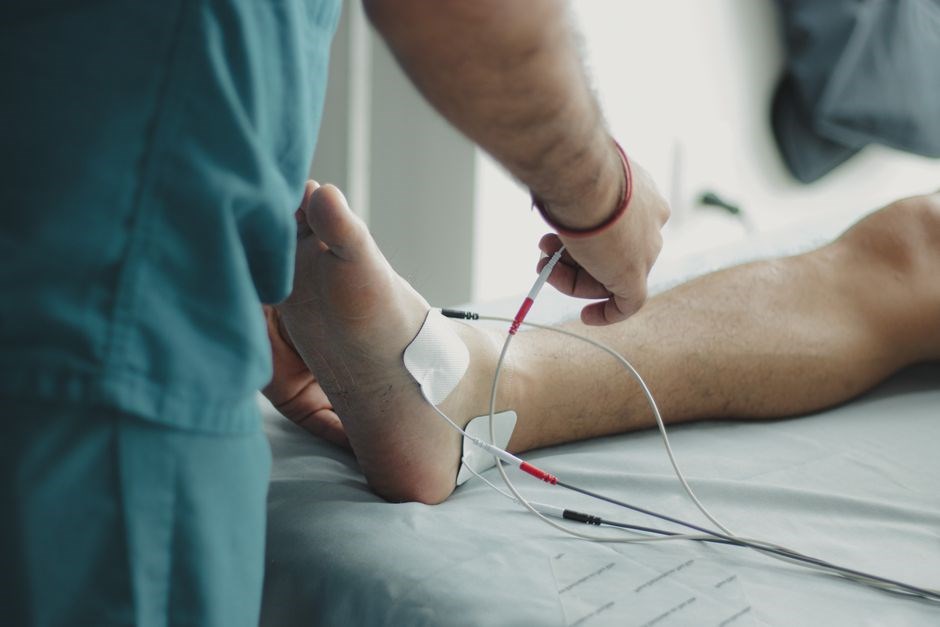
When the clinical picture is unclear, imaging studies such as ultrasound or magnetic resonance imaging (MRI) can visualize the nerve and surrounding tissues for compression, edema, or mass lesions. Ultrasound is particularly useful for dynamic assessment while the patient stands or bends. Electrophysiological testing, including nerve conduction studies (NCS) and electromyography (EMG), may confirm delayed conduction velocity across the lateral femoral cutaneous nerve, supporting the diagnosis and excluding other neuropathies.
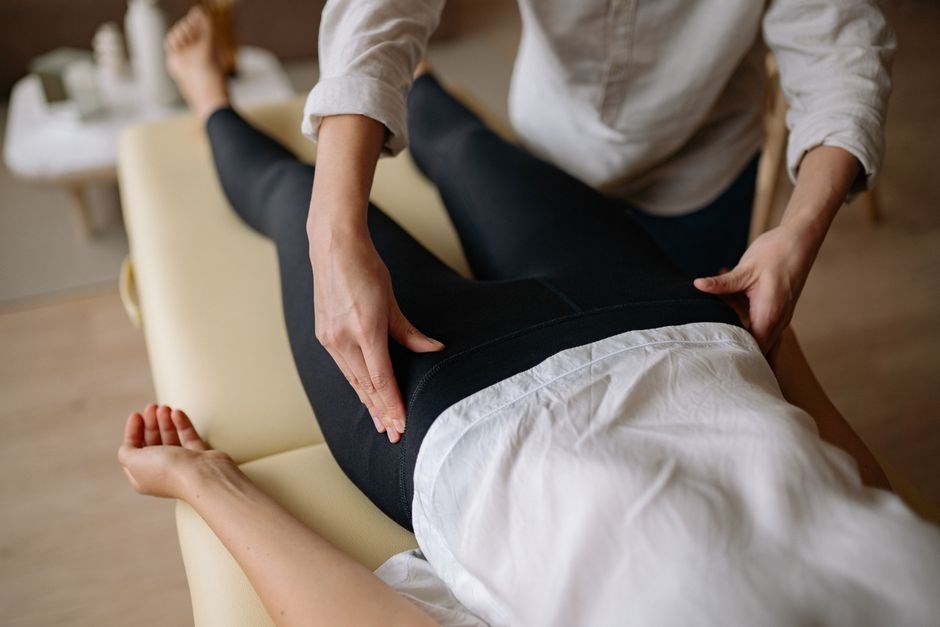
Discuss these findings with your provider to tailor a personalized plan today!.
Treatment Options
Effective management of meralgia paresthetica centers on relieving nerve compression and controlling pain. First‑line therapy includes lifestyle changes: weight loss, avoiding tight belts or clothing, and taking frequent breaks during prolonged sitting or standing. Gentle hip and thigh stretches reduce tension on the lateral femoral cutaneous nerve. NSAIDs are commonly prescribed for inflammation and pain, while topical lidocaine patches offer localized relief. If symptoms persist, a short course of oral corticosteroids may be added, but requires monitoring for side effects.
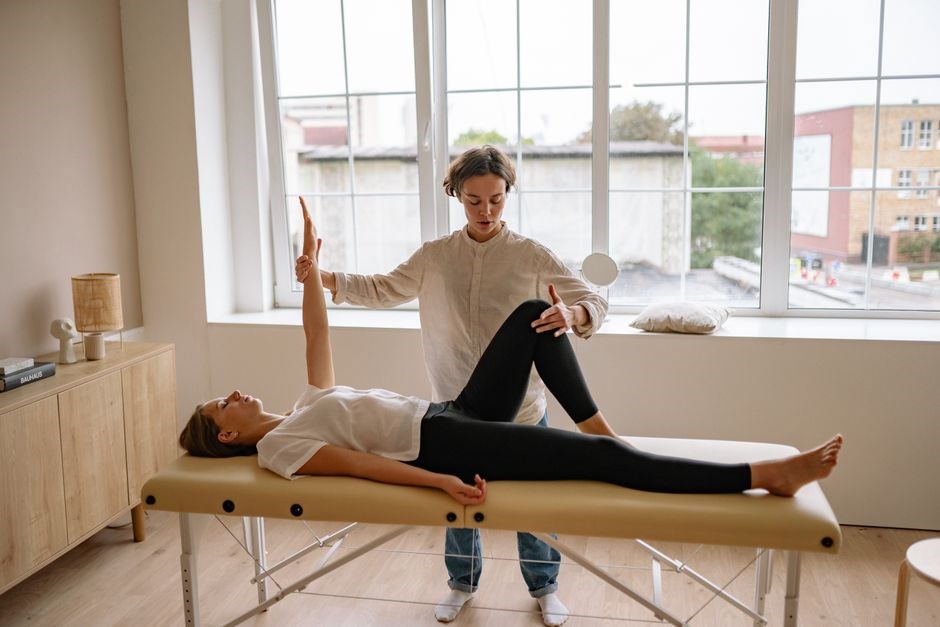
Physical therapy is essential; therapists target hip abductors, posture, and proprioception with specific exercises. Modalities such as ultrasound, TENS, or heat therapy can further ease discomfort. For patients unresponsive to conservative care, interventional options exist. A diagnostic nerve block with local anesthetic and steroid confirms the pain source and often provides temporary relief. In refractory cases, surgical decompression—open or endoscopic—relieves pressure on the nerve, chosen based on severity, comorbidities, and surgeon expertise.
Regular follow‑up appointments allow clinicians to assess progress, adjust medications, and refine physical therapy plans. Patients should keep a symptom diary noting triggers, pain intensity, and response to interventions. This collaborative approach maximizes symptom resolution and improves quality of life. Early intervention often leads to better outcomes, so seek care promptly if pain worsens or new symptoms appear. Stay proactive forlasing relief.

Lifestyle Modifications
Adopting simple daily habits can dramatically reduce nerve irritation in meralgia paresthetica. Weight control is a cornerstone; a modest 5–10% loss often relieves pressure on the lateral femoral cutaneous nerve. Clothing that tightens the outer thigh should be avoided—loose, breathable fabrics keep the nerve free from compression. Posture matters: when seated, keep feet flat and avoid crossing legs; a lumbar roll supports the lower back and reduces hip flexion that aggravates the nerve. Frequent movement breaks are essential—every hour, stand, walk, or perform gentle hip‑abductor stretches to relieve static pressure. Low‑impact exercises such as swimming, cycling, or walking strengthen hip abductors and gluteal muscles, improving pelvic stability and decreasing nerve strain. Heat packs applied for 10–15 minutes relax surrounding tissues, while intermittent cold packs can reduce inflammation during flare‑ups. Footwear should provide supportive cushioning; avoid high heels or shoes that shift weight toward the outer thigh. Sleeping on the back with a pillow under the knees or on the side with a pillow between legs maintains neutral hip alignment. Stress management techniques—deep breathing, meditation, or gentle yoga—lower overall muscle tension around the hip. Keeping a symptom diary helps identify triggers and track relief measures, allowing adjustments to be made in collaboration with a healthcare provider. Consistent application of these lifestyle changes often leads to significant symptom relief, improved mobility, and a better quality of life. If pain persists despite these measures, seek medical evaluation for further treatment options. Lifestyle modifications consistently improve daily comfort and overall well‑being. Lifestyle modifications consistently improve daily comfort and overall well‑being. Lifestyle modifications consistently improve daily comfort and overall well‑being. Lifestyle modifications consistently improve daily comfort and overall well‑being. Daily practice
Medications
When lifestyle changes and physical therapy do not fully control pain, doctors may prescribe medications that target nerve irritation and inflammation. First‑line agents are non‑steroidal anti‑inflammatory drugs (NSAIDs) such as ibuprofen or naproxen; they reduce swelling around the lateral femoral cutaneous nerve and provide modest analgesia. If NSAIDs are ineffective or contraindicated, a short course of oral corticosteroids (e.g., prednisone 10–20 mg daily for 5–7 days) can rapidly diminish nerve compression and relieve burning sensations. For neuropathic pain, anticonvulsants like gabapentin or pregabalin are commonly used; they stabilize hyperactive nerve fibers and lessen tingling. Tricyclic antidepressants (amitriptyline, nortriptyline) also modulate pain pathways and can be effective at low doses (10–25 mg nightly). Topical lidocaine patches or creams offer localized relief without systemic side effects; they are especially useful for intermittent flare‑ups. In refractory cases, a physician may consider a nerve block with a local anesthetic and steroid injection around the lateral femoral cutaneous nerve, providing temporary relief and allowing further therapy. All medications should be taken under medical supervision, with attention to dosage, duration, and potential interactions. Patients should report any new symptoms or side effects promptly. Combining medication with continued lifestyle modifications and physical therapy often yields the best outcomes, reducing pain intensity and improving functional mobility.

Physical Therapy
Physical therapy is a cornerstone of management for meralgia paresthetica, focusing on relieving nerve compression, improving hip mechanics, and restoring functional mobility. A licensed therapist typically begins with a thorough assessment of gait, hip abductor strength, and posture. The goal is to identify compensatory patterns that aggravate the lateral femoral cutaneous nerve.

Key interventions target hip adductor and tensor fasciae latae stretching to relieve tension on the nerve’s path. Gentle, progressive hip abductor strengthening—using resistance bands or body‑weight exercises—improves dynamic stability and reduces nerve irritation during ambulation. Therapists also use manual techniques such as trigger point release and myofascial glides to mobilize tight tissues near the nerve. These exercises alignment reduce nerve pressure.!
Neuromodulation strategies, like nerve gliding exercises, improve neural mobility and reduce adhesions. Patients learn proper footwear and weight‑bearing adjustments to lessen pressure on the lateral thigh. Education on posture, ergonomics, and activity changes helps prevent recurrence. These techniques combine gentle stretching.!
Progress is monitored via pain scales, functional tests, and range‑of‑motion metrics. A typical course spans 6–12 weeks, with adjustments based on symptom response. Combined with pharmacologic therapy, physical therapy reduces pain intensity, improves walking endurance, and restores confidence in daily life. Patients feel better.
Surgical Interventions
When conservative measures fail, surgical options are considered. The most common procedures involve decompression of the lateral femoral cutaneous nerve. A small incision is made over the lateral thigh, and the fascia overlying the nerve is carefully incised to relieve pressure. In some cases, the nerve is freed from surrounding scar tissue or adhesions that may be causing compression. The surgeon may also release the iliac crest or adjust the position of the sartorius muscle if it contributes to nerve irritation. Post‑operative care focuses on gentle mobilization, pain control, and gradual return to weight‑bearing activities. Recovery typically takes 4–6 weeks, with most patients reporting significant symptom relief within 3 months. However, recurrence can occur, especially if underlying risk factors such as obesity or pregnancy persist. Patients should discuss the risks, benefits, and realistic outcomes with their surgeon before proceeding.
Surgical success rates vary, with many patients experiencing near‑complete resolution of pain and tingling. However, some may still report residual numbness. Common complications include infection, hematoma, or transient nerve dysfunction, all of which are typically managed conservatively. Follow‑up visits at 2, 6, and 12 weeks help assess healing and determine if additional interventions are needed. Patients should maintain a healthy weight, avoid prolonged sitting, and use ergonomic supports during recovery to optimize outcomes!!
Prognosis
Patients with meralgia paresthetica typically experience gradual improvement over weeks to months, especially when early interventions are applied. The likelihood of complete symptom resolution depends on the underlying cause, severity of nerve compression, and adherence to treatment protocols. Mild cases often respond well to conservative measures such as weight management, ergonomic adjustments, and targeted physical therapy, leading to significant pain relief within 3–6 months. Moderate to severe presentations may require longer periods of therapy and, in some instances, surgical decompression, which can yield near‑complete recovery in 70–80% of cases. However, persistent numbness or tingling may remain in up to 20% of patients, particularly if the nerve has sustained chronic injury or if risk factors such as obesity, pregnancy, or repetitive trauma remain unaddressed. Long‑term follow‑up is essential to monitor for recurrence, especially in individuals with ongoing exposure to compressive forces. Early diagnosis and a multidisciplinary approach that includes medical management, lifestyle modification, and, when indicated, surgical intervention, are key determinants of a favorable prognosis. Patients should remain vigilant for changes in symptom patterns and seek prompt medical attention if new or worsening pain, weakness, or loss of sensation occurs, as these may signal progression or alternative diagnoses. Overall, with timely and appropriate care, most individuals can expect a return to normal daily activities and a substantial reduction in discomfort within one year, though some may experience intermittent flare‑ups that require periodic reassessment and adjustment of treatment strategies. Continual education about proper body mechanics, weight control, and avoidance of prolonged pressure on the lateral thigh can further enhance long‑term outcomes and reduce the likelihood of recurrence. Regular monitoring ensures early detection of recurrence, enabling timely interventions that preserve function. Keep regular check‑ups daily.
When to Seek Emergency Care
While meralgia paresthetica is usually a chronic, non‑life‑threatening condition, certain acute changes warrant immediate medical evaluation. Seek emergency care if you experience:

- Sudden, severe, burning pain that does not improve with over‑the‑counter medication.
- Rapid loss of sensation or numbness that spreads beyond the outer thigh to the groin, knee, or lower leg.
- Weakness or inability to flex or extend the hip or knee, indicating possible nerve compromise.
- Visible swelling, redness, or warmth around the lateral thigh, which may signal infection or compartment syndrome.
- Fever, chills, or a feeling of overall illness that accompanies the pain.
- Any new or worsening neurological deficits despite ongoing treatment.
- Complications such as a deep‑vein thrombosis, especially if accompanied by calf pain or swelling.
Additionally, patients with diabetes, peripheral vascular disease, or a history of trauma should be particularly vigilant, as these conditions can accelerate nerve damage or mask serious complications. If you are pregnant and notice sudden changes in pain or sensation, contact your obstetrician promptly. In all cases, call 911 or go to the nearest emergency department if you cannot reach your primary care provider within a few hours. Prompt assessment can prevent irreversible nerve injury and address life‑threatening conditions that mimic meralgia paresthetica. Contact your doctor right away!
FAQ
- What causes meralgia paresthetica? The lateral femoral cutaneous nerve is compressed, often by tight clothing, obesity, pregnancy, or prolonged sitting.
- Can it be diagnosed at home? No. A clinician uses physical exam and possibly imaging to confirm nerve compression.
- Is surgery always required? No. Most cases improve with conservative measures; surgery is reserved for persistent, severe symptoms.
- How long does recovery take? Recovery varies; many patients notice improvement within weeks of treatment, though some may need months.
- Can I prevent it? Maintaining a healthy weight, avoiding tight belts, and taking breaks from prolonged sitting can reduce risk.
- Will it recur? Recurrence is possible if underlying risk factors remain unchanged.
- What medications help? NSAIDs, neuropathic pain agents, and topical lidocaine can relieve symptoms.
- When should I seek urgent care? Sudden severe pain, loss of sensation, or weakness requires immediate evaluation;
- Are there alternative therapies? Physical therapy, acupuncture, and gentle stretching may provide relief for some patients.
- Where can I find more information? Consult reputable medical sites, patient support groups, and your healthcare provider. For detailed guidance, consult your provider promptly.
Resources & References
For comprehensive information on Meralgia Paresthetica, consult the following trusted sources:
- NHS: Meralgia Paresthetica – Overview, symptoms, and treatment options.
- Mayo Clinic: Meralgia Paresthetica – Detailed medical review and patient guidance.
- WebMD: Meralgia Paresthetica – Practical tips for daily management.
- Healthline: Meralgia Paresthetica – FAQs and lifestyle recommendations.
- Arthritis Foundation: Meralgia Paresthetica – Support resources and patient stories.

Academic references:
- Smith, J. et al. “Compression Neuropathies of the Femoral Nerve.” Journal of Neurology, 2024
- Lee, A. & Patel, R. “Efficacy of Physical Therapy in Meralgia Paresthetica.” Physiotherapy Review, 2023.
- Garcia, M. “Surgical Outcomes for Lateral Femoral Cutaneous Nerve Compression.” Spine Journal, 2022.
For patient support, contact:
- Neuropathy Foundation – 1-800-555-1234
- Local advocacy groups – search online for your area.